
Paris
Our guides are built on firsthand experience and curated for families who want to understand a place, not just visit it. Every recommendation is somewhere we love or think you will. For a faster route through the highlights, start with Editor's Picks or the Wander section, which strings nearby stops into ready-made "mini-itineraries."SKIP TO:
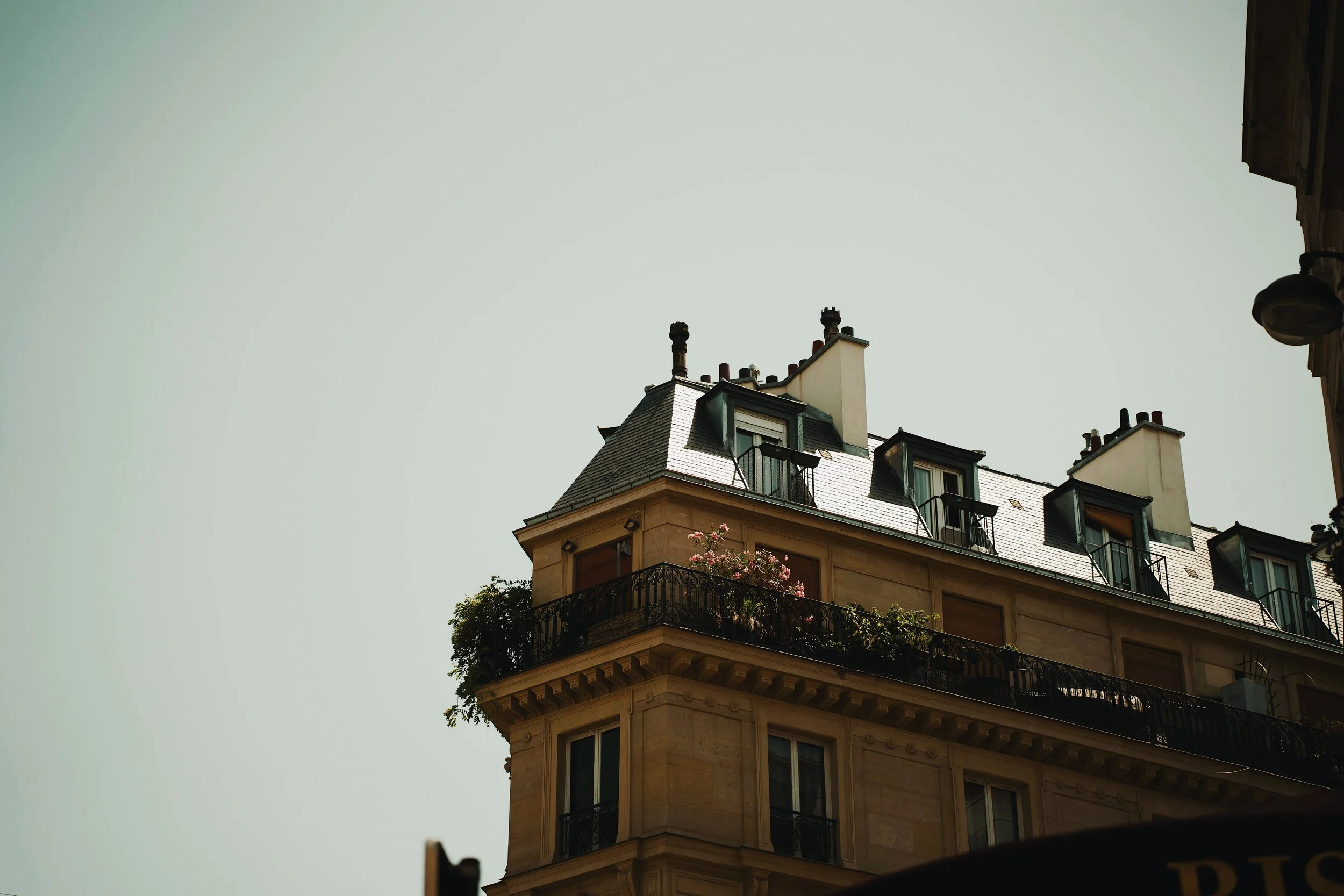
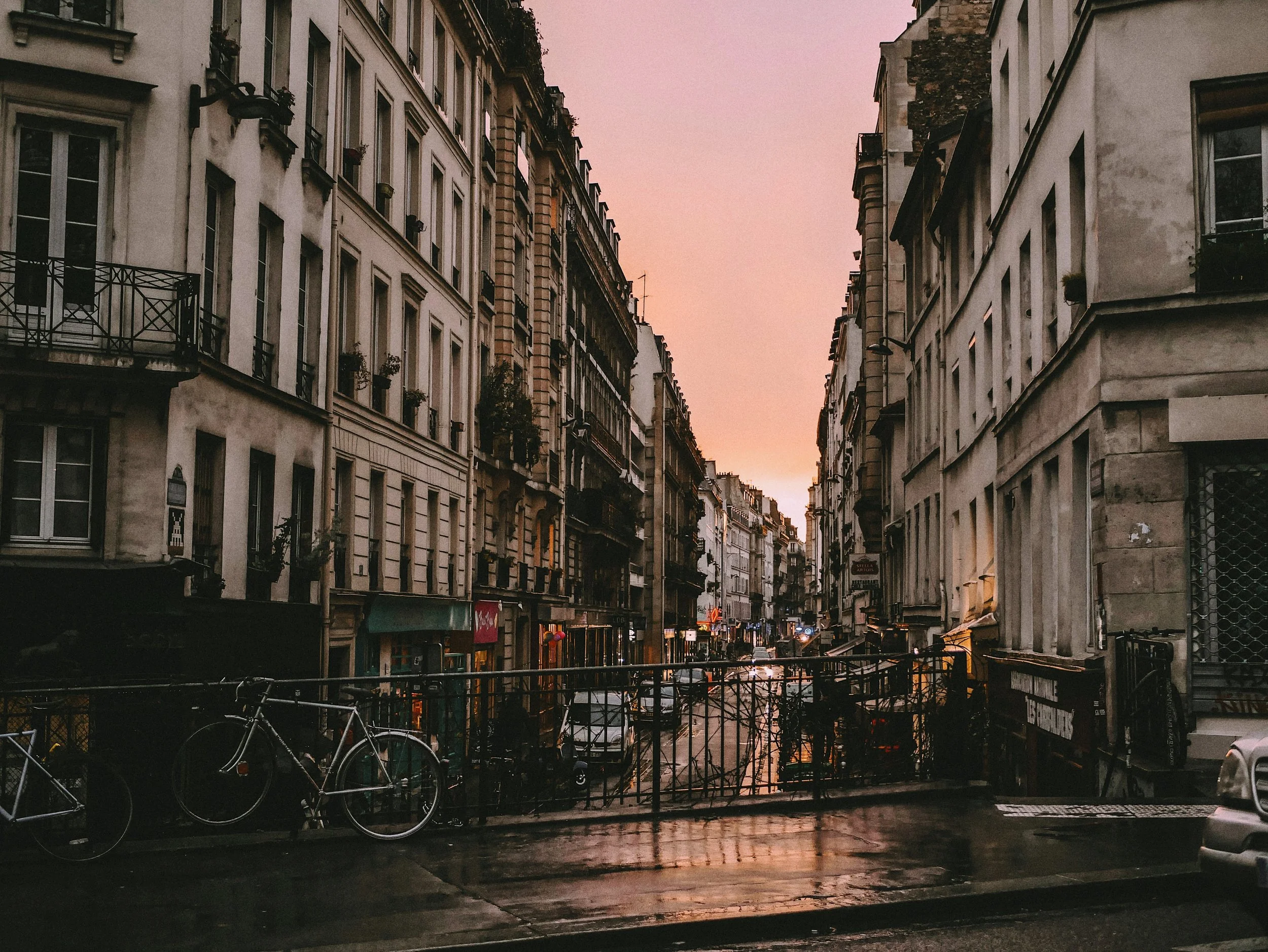
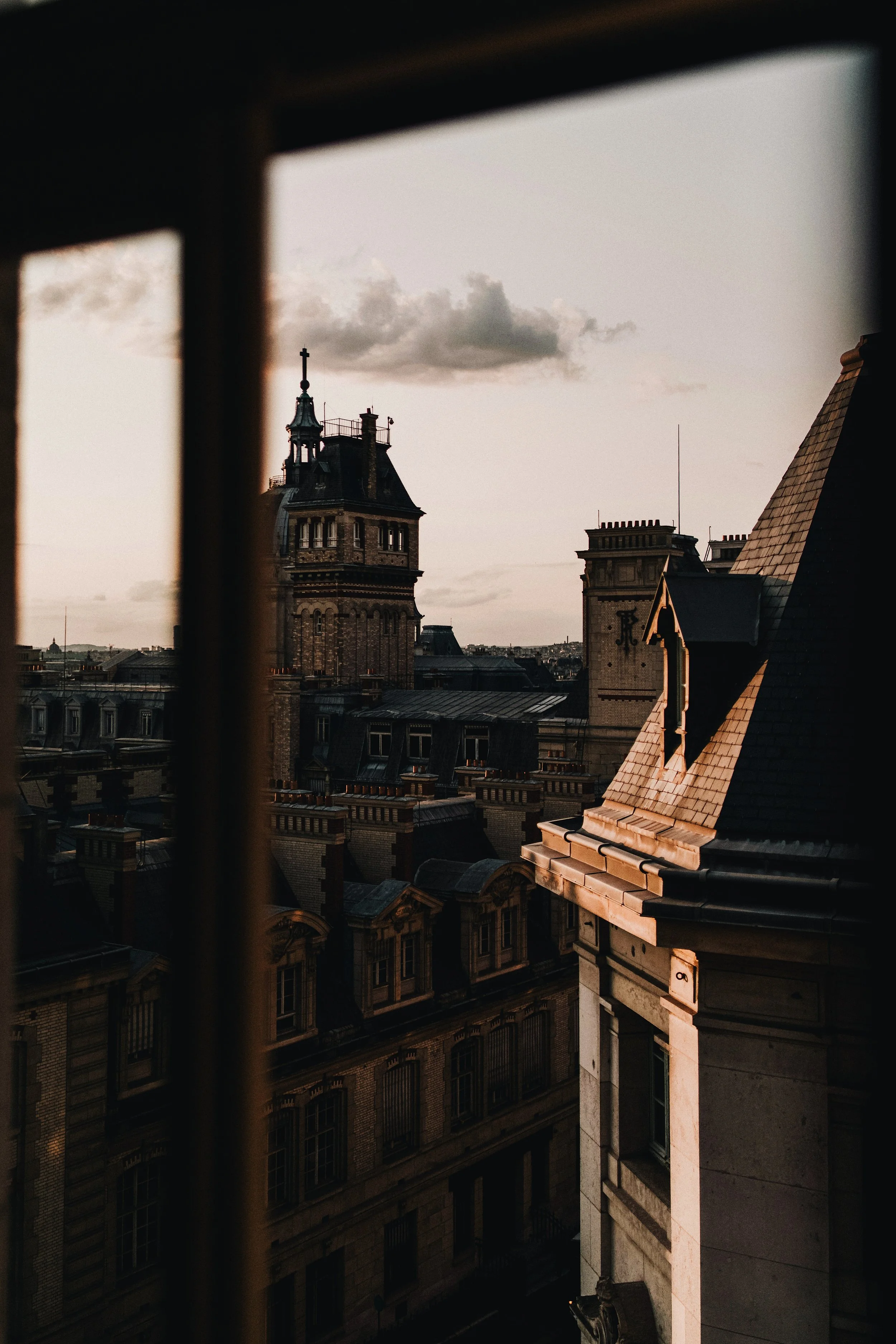
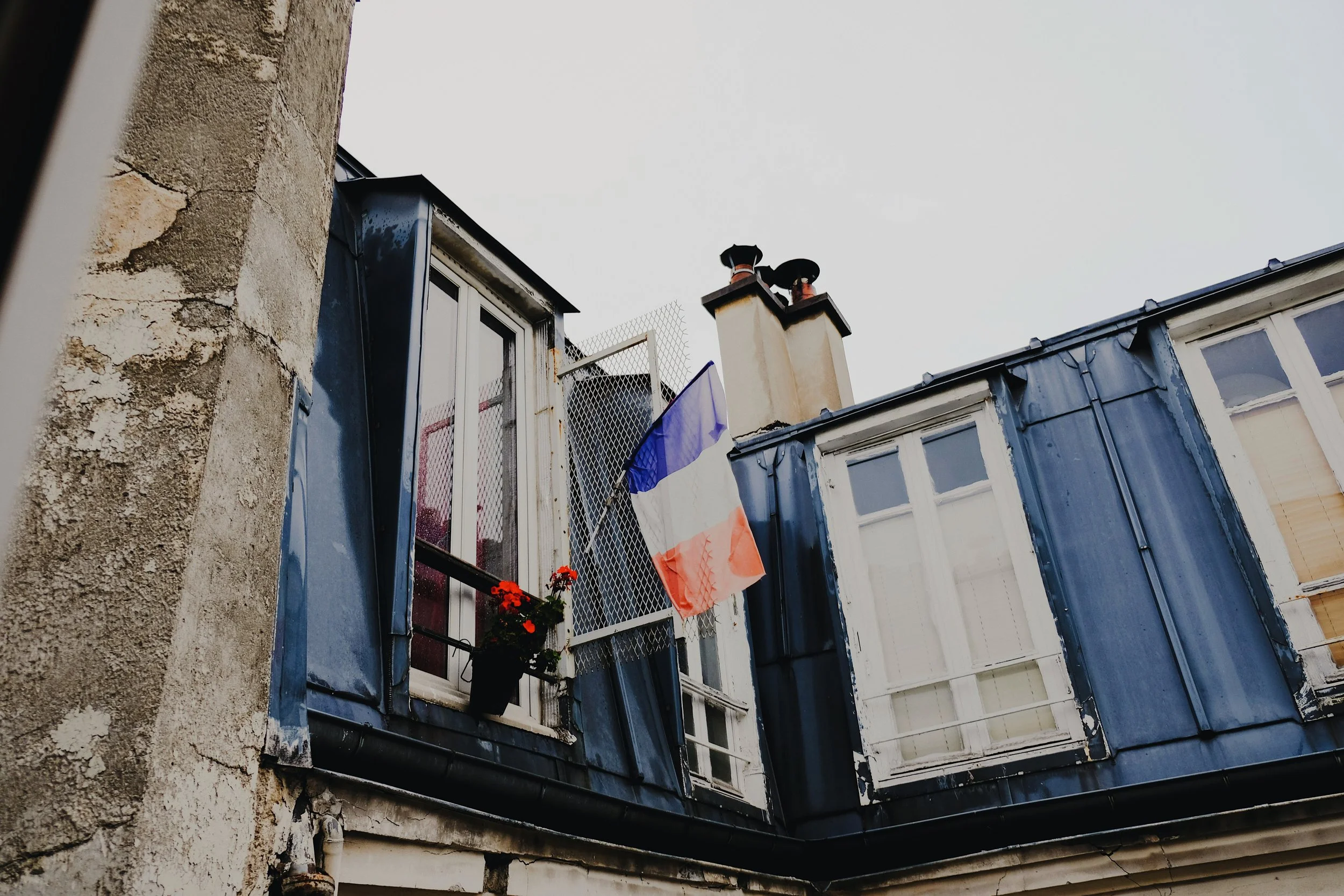
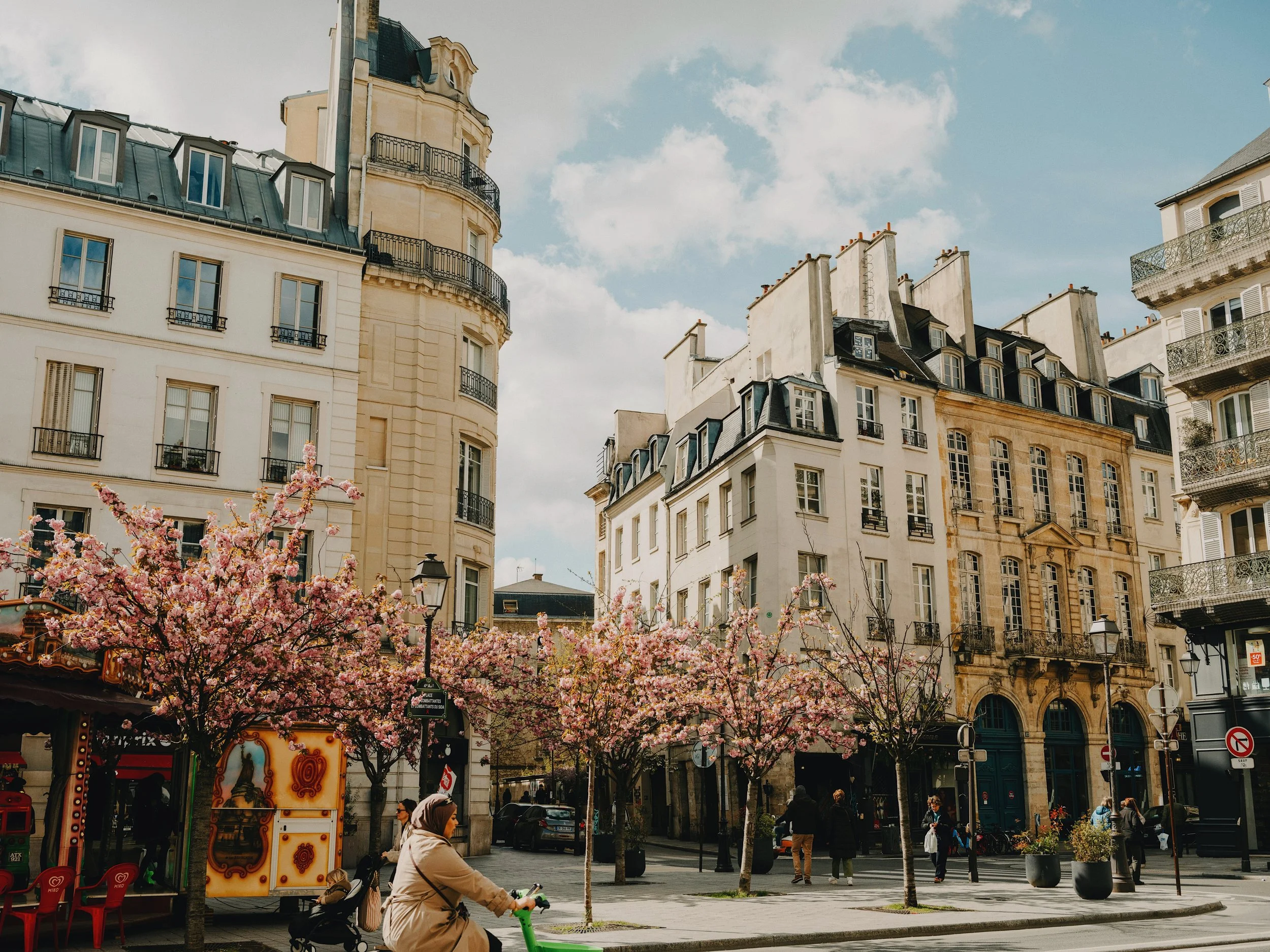
Psychiatrists have a name for what happens when Paris fails to live up to its reputation: Paris Syndrome, an acute culture shock first documented among Japanese tourists, who may be particularly vulnerable given their national idealization of French culture. Most visitors experience a milder version. Whether it’s your first time in Paris or not, you know the city: the Haussmann balconies adorned with geraniums, the baguette tucked under an arm on a bicycle, the apéro on a terrace, debating politics and art. This image of Paris is so familiar (and true) that experiencing it can feel less like travel and more like confirmation.
Then there is Parisian culture, so distinct that it carries its own sort of charm. The server who will tell you non if you ask for coffee with, instead of after, dessert. The taxi driver who will decline your fare if the destination is not on his way home. The restaurants and shops that close entirely in August, the street re-routed because of a strike. In 2024, Parisians planned a mass defecation in the Seine to protest Olympic spending. Earlier, millions had shut down the city at the thought of retiring at 64. These are a people who celebrate Champions League and World Cup wins by setting their own streets on fire, not out of rage, but ecstasy. Rousseau argued that authority derives from the consent of the governed. Parisians are the first to remind you that society only functions because they have agreed to play along.
And then there is immigrant Paris, woven so completely into the fabric of the city that the two are inseparable. Algerian record shops in Barbès; Senegalese street vendors near the Eiffel Tower; Buddhist temples in the Quartier Asiatique; Kurdish kebabs on rue Faubourg Saint-Denis. At its peak, France colonized around 40 present-day countries, second only to the British Empire (13 of those remain overseas departments and territories). Modern-day France exists because of this colonial history, inseparable from its immigration patterns, economy, food, and everyday life. The terms of that legacy have often been explicit: after Haiti gained its independence in 1804, France refused to recognize its sovereignty unless it paid reparations to the French slaveholders for the loss of their “property.” In modern terms, this amounted to something between $21 and $115 billion, taking Haiti until 1947 to repay the debt. This is the same France that gave the world liberté, égalité, fraternité, and all of it can be seen in Paris.
Today, the country's most vocal political movement is the Rassemblement National, a far-right party that campaigns on anti-Muslim and anti-immigration rhetoric. The party ignores — or willfully denies — the immeasurable contributions of postcolonial communities to French society. Leading up to the 2024 Olympics, some questioned whether Aya Nakamura, born in Mali, raised in the Parisian suburbs, and the most-streamed French artist in the world, was the right choice for the opening ceremony. She embodies contemporary Paris, which is precisely why, for some, she represented a threat to French identity and language. This tension isn’t unique to France, of course, but in a country whose founding ideal is universalism, it is particularly noticeable.
But Paris has always been a city of immigrants and exiles. In the 1920s, Ernest Hemingway, Josephine Baker, and Gertrude Stein made the Left Bank their home. After the Second World War, the French government deliberately courted Black American intellectuals, drawing in James Baldwin and Richard Wright. All of them arrived to a city with open arms. What Paris offered Americans, regardless of race, it has often withheld from the postcolonial communities who built it.
France has always had strong opinions about who belongs and how they should be received. On the question of children, however, the answer has been unusually clear. Paris is not an easy city to visit with young children: sidewalks are narrow, metro elevators are rare, and most restaurants close between lunch and dinner. And yet, there is a clear understanding of what raising a child requires. France provides nearly all 3-year-olds with free, full-day state nursery school; before that, subsidized crèches care for infants and toddlers. Four-course lunches are standard at school, and Paris has more parks, playgrounds, and play spaces than many other cities. Pamela Druckerman's Bringing Up Bébé has become required reading for a certain kind of pregnant American, intrigued by how the culture approaches parenthood. This contradiction, between what Paris performs and what it actually does, is perhaps most Parisian thing about it.
PRACTICAL NOTES
Bring a carrier if you're traveling with an infant or toddler. Sidewalks are slim and uneven, metro elevators are rare, and some museums prohibit strollers. Only Metro line 14 and the bus network are fully accessible. Before any metro journey, check IDF Mobilités for real-time lift status.
Air conditioning in rare. Apartments, restaurants, shops, and many museums rely on open windows and fans. In summer, particularly during heatwaves, hotels are the best choice for children.
Service is never rushed. Waitstaff are salaried, not tip-reliant. Expect less attentiveness than you might be used to, but considerably more time at the table.
Restaurant hours don’t always align with family schedules. Most kitchens close between lunch (around 2:30pm) and dinner (7:30 or 8pm). Bakeries, crêperies, and cafés can bridge the gap. The Restaurants & Cafés section includes kitchens with continuous service or that open for early dinner.
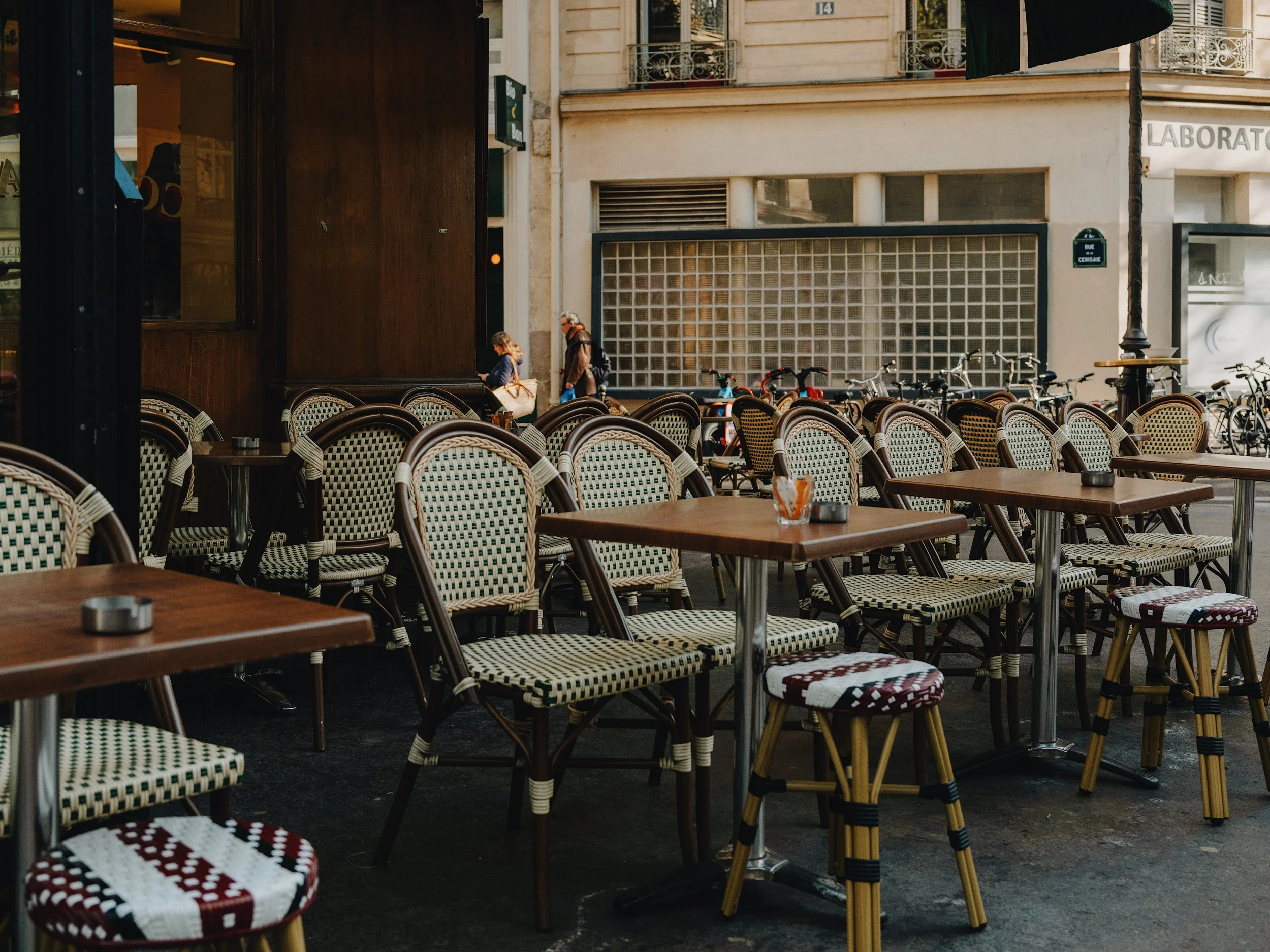
Outdoor smoking is common on café terraces, which are exempt from bans that apply to parks and school-adjacent areas.
Paris has more parks and play areas than its reputation for child-unfriendliness suggests. Indoor play cafés are plentiful, and most major museums run dedicated children's programming. The Play, Parks & Classes section covers both.
Always check hours beforehand. Restaurants, shops, and museums routinely close one or two days a week, and many shut down completely in August. Google hours may be wrong. Check the venue's own website or call ahead.
The city rewards neighborhood clusters over cross-city ambition. Plan to spend a few hours in each arrondissement rather than crossing the city. Our Wander “mini-itineraries” are structured with this in mind.
EDITOR’S PICKS
If you only have a day, a weekend, or a specific mood to match:
Morning: Jardin du Luxembourg
Afternoon: Place des Vosges + the Marais
Rainy day: La Maison des Histoires (Bastille location)
Design inspiration: Bourse de Commerce
To eat: Breizh Café
For a croissant: Mamiche
Sweet spot: Bontemps for French patisserie, Glace Bachir for Lebanese ice cream
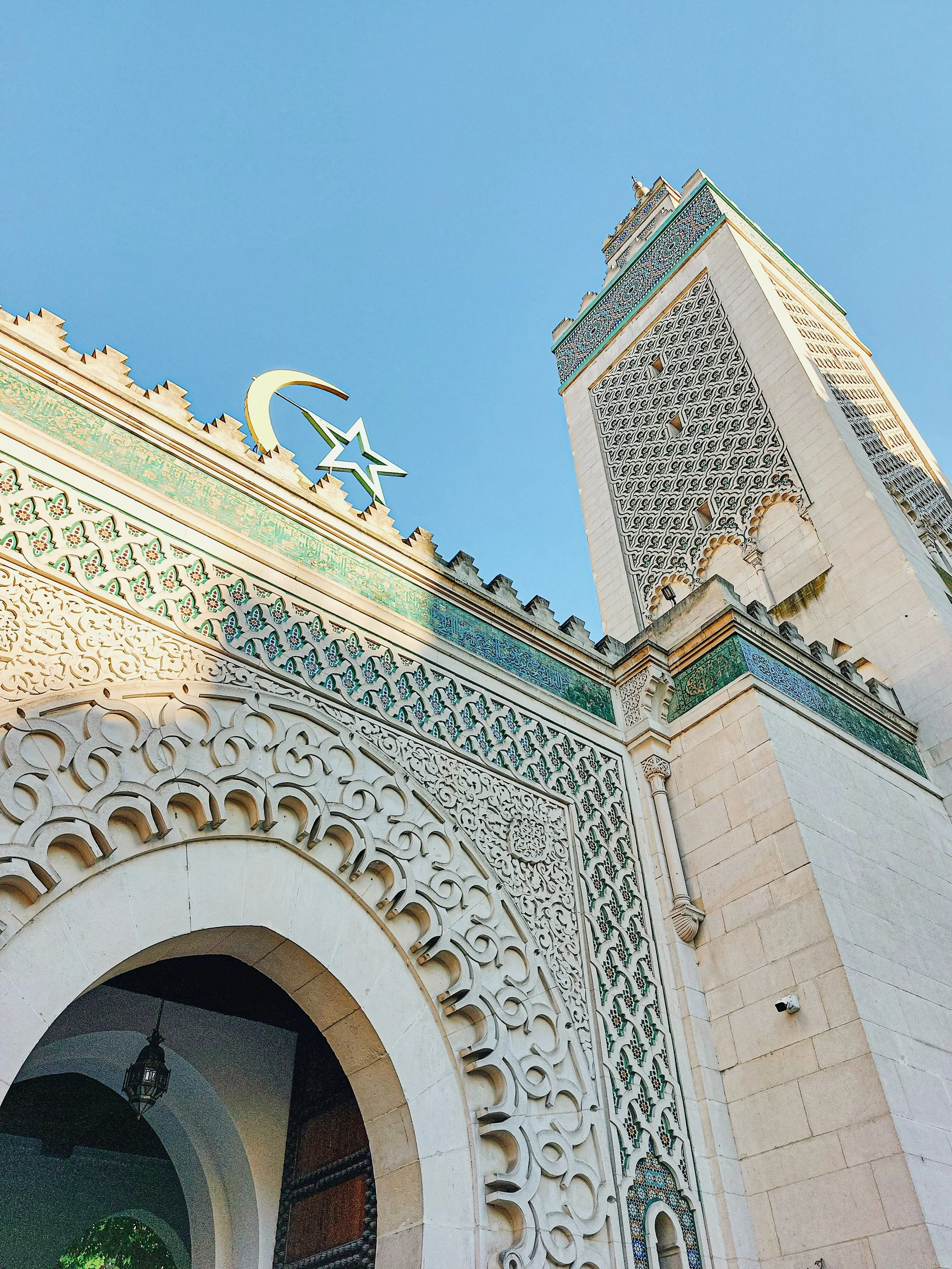
Culture: Institut du Monde Arabe + mint tea in the Grande Mosquée
Books: After 8 Books
To take home: Moulin Roty (for children) or G. Detou (for edible goods)
Further afield: Cité des Sciences + Parc des Buttes-Chaumont
RECOMMENDATIONS
-
Mini itineraries linking nearby highlights into walkable routes.
Seine Riverside (1st–7th Arr.): Start at Pont Neuf and cross to the Île Saint-Louis for ice cream at Berthillon (note: the original shop closes in July and August, though several outlets stay open). Continue along Les Berges for coffee or playtime on the riverfront promenade. End at Musée d'Orsay for Impressionist works in a converted train station, or push on to Fluctuart for free exhibitions and rooftop views of the Seine. Sunday workshops for children at Fluctuart; book ahead.
Le Marais (3rd & 4th Arr.): Begin with pastries from Maison Aleph or Lebanese ice cream from Glace Bachir, wander the arcades of Place des Vosges, and stop at Marché des Enfants Rouges for lunch — Paris's oldest covered market, with Moroccan tagines, Japanese bento, and organic produce under one roof. Browse Merci or Le Petit Souk in the afternoon, and end with Breton style crêpes at Breizh Café or afternoon tea at Bontemps.
Jardin du Luxembourg & Latin Quarter (5th & 6th Arr.): Start at Chantelivre, one of Paris's best children's bookshops, or La Maison des Histoires next door for immersive storytelling play (timed entry, book ahead). Move on to the Jardin du Luxembourg for puppet shows and the sailboat pond, then Korean desserts at Melané on Rue Saint-Jacques. End at the Grande Mosquée de Paris: mint tea in the courtyard garden, and a short walk through the Jardin des Plantes.
Canal Saint-Martin & Belleville (10th, 11th & 20th Arr.): Walk along Canal Saint-Martin's tree-lined banks, stop for coffee at Flâneur Coffee Club or pastries from Du Pain et des Idées, browse Artazart for design and photography books, explore Belleville's street art and North African grocers, and end at Parc de Belleville for some of the city's highest public views.
Bois de Boulogne & the 16th (16th Arr.): Start at Fondation Louis Vuitton for Frank Gehry's architecture and rotating contemporary art exhibitions. Stop at Galerie du 19M to watch Chanel's specialist artisans at work — embroiderers, feather workers, shoemakers — free, but book in advance. Walk through the Bois de Boulogne to Jardin d'Acclimatation for vintage carousel rides and children's amusements, then browse children's boutiques like Atelier Choux or Bonpoint Vintage.
Batignolles (17th Arr.): One of Paris's most family-friendly neighborhoods, with large apartments, parks, and streets full of independent boutiques, cafés, and restaurants that draw locals rather than tourists. Start the morning with pastries from Pleincœur or Tranché Batignolles, then walk to Square des Batignolles — a Second Empire garden with a lake, carousel, playgrounds, and pétanque courts — before continuing north to Parc Martin Luther King, with a skate park, wetlands, and open lawns. Browse the independent boutiques along rue des Batignolles and rue Legendre in the afternoon, and stop into Art & Bulle for drop-in creative workshops. End at Breizh Café, the neighborhood outpost of the Marais crêperie. Line 14 serves the area directly, fully accessible and air-conditioned. Saturday mornings bring an organic market to Boulevard des Batignolles.
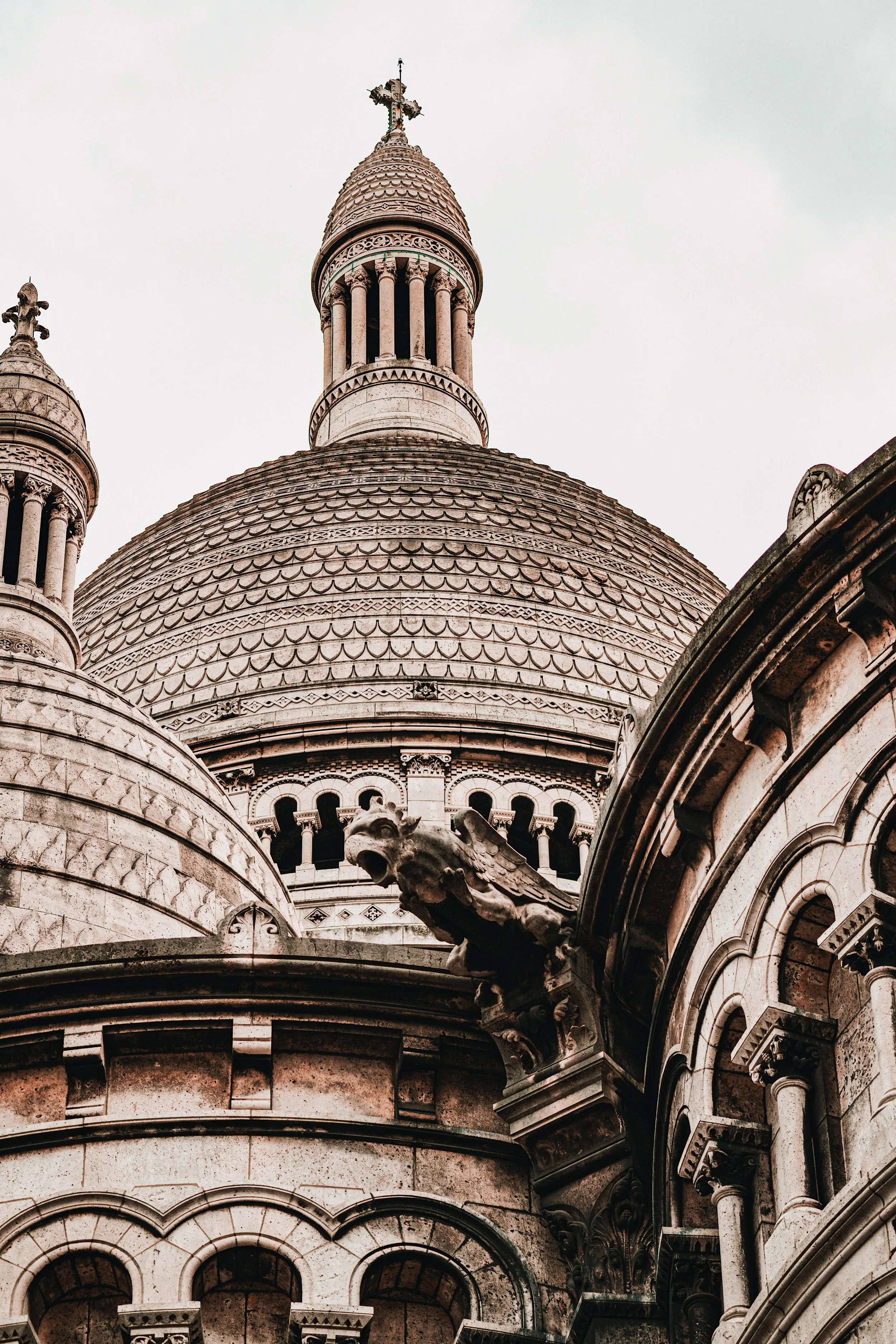
Montmartre (18th Arr.): Start with brunch at Bon Jo before the crowds arrive. Walk up to Sacré-Cœur for sweeping city views, wander through Place du Tertre's artist studios, and refuel at Atelier P1 for pastries. The hidden square at Parc Marcel Bleustein Blanchet offers a quiet break from the crowds.
La Villette & Northeast Paris (19th Arr.): Start at the Cité des Sciences: La Cité des Bébés for under-twos, La Cité des Enfants for two to ten. Both sections can sell out so reserve timed tickets online in advance. Explore La Villette Park's contemporary sculptures and check the Philharmonie de Paris program for weekend family concerts. From there it's a twenty-minute walk to Parc des Buttes-Chaumont, worth it for the dramatic cliffs, suspension bridge, and waterfall views.
-
1st Arr.
59 Rivoli: Former artist squat turned legal studio complex with rotating exhibitions.
Bourse de Commerce: Contemporary art in a restored 18th-century commodities exchange.
Fondation Cartier: Strong program of international contemporary art in a Jean Nouvel glass building designed in dialogue with the garden around it.
Musée de l'Orangerie: Monet's Water Lilies in two oval rooms. The Family Area, open year-round on weekends, public holidays, and school vacations, is designed for children 0–12 and inspired by Monet's garden at Giverny. Free with museum admission; no reservation required.
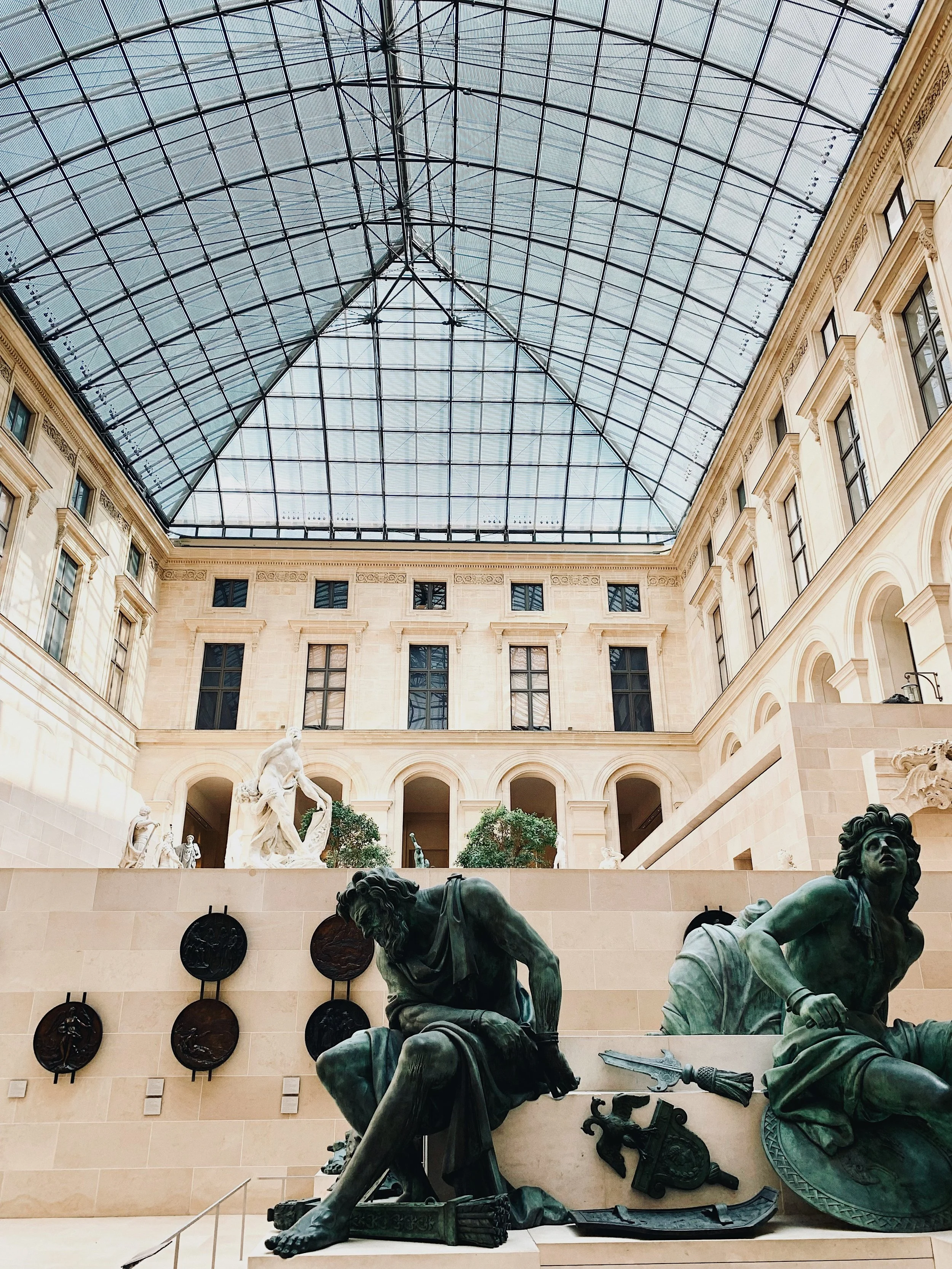
Musée du Louvre: The Egyptian galleries and medieval foundations work best with young children. Arrive at opening, limit to 1–2 hours, use a carrier.
3rd Arr.
193 Gallery: Contemporary art from the Global South and African diaspora.
AFIKARIS Gallery: Contemporary African art and diaspora voices.
Musée Carnavalet: Paris history traced from prehistoric settlement through the Revolution and Haussmann's transformations, told through period rooms and artifacts.
Perrotin: Contemporary gallery featuring established and emerging international artists (historic hôtel particulier with a grand staircase to upper floor, strollers difficult).
4th Arr.
Azzedine Alaïa Foundation: Fashion museum exploring Alaïa's sculptural approach to the body. Reservations required.
Carpenters Workshop Gallery: Functional art by international designers working at the intersection of craft and sculpture.
Lafayette Anticipations: The Galeries Lafayette contemporary art foundation, with moveable floors, a production workshop in the basement, and a strong program of commissions and international exhibitions.
Mendes Wood DM: São Paulo gallery with a Paris outpost in a 17th-century hôtel particulier, known for Afro-Brazilian artists and works associated with self-taught and conceptual practices.
5th Arr.
Institut du Monde Arabe: Arab world art and culture in a landmark building with a light-responsive mashrabiya façade. The rooftop terrace has some of the best views in Paris.
7th Arr.
Fluctuart: A floating art center anchored on the Seine with Sunday workshops for children.
Musée d'Orsay: Impressionist masterpieces in a converted Beaux-Arts train station. The café behind the giant clock, with Seine views, is reason enough to linger; the Impressionist galleries are the rest.
Musée Rodin: Sculpture garden with The Thinker and The Gates of Hell. Entirely stroller-friendly. From April through September, the Atelier Rodin opens in the grounds — a free hands-on space for children from 6 months through 12 years, with clay modeling, drawing, sensory play for babies, and a slide. No reservation required; At The Lab activities are bookable online.
Musée du Quai Branly - Jacques Chirac: Indigenous art from Africa, Asia, Oceania, and the Americas in Jean Nouvel's dramatic elevated building. Vertical gardens, free stroller rentals, and Les Ateliers du Quai Branly workshops for children from age 4.
8th Arr.
Grand Palais: Reopened landmark hosting major exhibitions beneath the largest glass roof in Europe. The Salon Seine, a free 900m² family space inside, offers creative games, interactive artworks, workshops, and a bookshop-boutique for young readers. Free baby carrier hire, nursery area, and changing tables throughout.
Musée Jacquemart-André: Gilded Age mansion preserved as the collectors left it. Lunch in the former dining room beneath Tiepolo frescoes is the draw as much as the collection.
Petit Palais: Fine arts museum with a garden café. Free permanent collection, stroller-friendly.
10th Arr.
Exo Exo: Artist-run gallery near République dedicated to emerging artists, with an emphasis on organic, encounter-driven programming.
11th Arr.
Atelier des Lumières: Immersive digital art projected floor-to-ceiling. Strollers prohibited.
Galerie Patrick Seguin: Mid-century French design furniture and architecture, with a focus on Jean Prouvé and Charlotte Perriand.
16th Arr.
Fondation Louis Vuitton: Frank Gehry's glass sail structure housing a serious contemporary art collection. The building and the art both reward the visit.
Le Corbusier Studio-Apartment: Le Corbusier's own apartment and studio, preserved almost exactly as he left it. Book in advance.
Palais de Tokyo: One of the few major art institutions in Paris open until midnight. The program skews experimental and international — consistently different from what the larger museums are showing.
19th Arr.
Galerie du 19M: Chanel's specialist artisans at work — embroiderers, feather workers, shoemakers. Free tours; advance reservations strongly recommended.
-
For major museum family programming, see Grand Palais and Musée Rodin in Art & Culture.
Museums & Attractions
1st. Arr.
Le Musée en Herbe: Children's art museum introducing ages 3+ to major artists through play-based discovery booklets and hands-on workshops.
5th Arr.
Galerie de l'Évolution (Grande Galerie de l'Évolution): Large-scale animals in a dramatic procession under a glass roof with light that shifts to mimic different times of day. Galerie des Enfants has hands-on exhibits for ages 6–12.
19th Arr.
Cité des Sciences et de l'Industrie: Europe's largest science museum with hands-on exhibits, a planetarium, and Cité des Tout-Petits — a dedicated sensory space for children under 2.
Philharmonie de Paris: Weekend family concerts, music workshops for toddlers and young children, and a museum of musical instruments.
Indoor Play Spaces
6th Arr.
La Maison des Histoires Chantelivre: Immersive play museum bringing l'école des loisirs books to life, with storytelling performances and interactive play spaces. Located inside Chantelivre, Paris's oldest children's bookstore. Timed tickets required — book online.
Otipi Saint-Placide: Toy shop with a strong selection of open-ended and design-led toys, a café corner, play area, and workshop space in the basement.
8th Arr.
Petite Forêt: Play café with full menu and weekly classes and special events.
10th Arr.
April Café: Coffee shop with upstairs play area, creative workshops, and weekend brunch.
11th Arr.
La Maison des Histoires Bastille: The larger of the two locations — 12 immersive book worlds, a theater for storytelling performances, play areas, and café. Timed tickets required — book online.
15th Arr.
Entre 2 Siestes: Baby-focused play space for ages 0–3 with Montessori-inspired toys and sensory activities.
17th Arr.
Octopia Kidz: Multi-level indoor playground with slides, climbing structures, trampolines, and a dedicated baby area.
18th Arr.
Ernestine Café: Neighborhood café with glassed-in playroom overlooking the main room. Children's menu with adapted portions and regular workshops for young children.
20th Arr.
Bambin Coffee Shop: Glassed-in playroom, full menu including weekend brunch, changing tables, and stroller storage.
Parks & Playgrounds
1st Arr.
Jardin des Tuileries: Formal gardens between the Louvre and Place de la Concorde with trampolines, a playground, and carousel.
Jardin Nelson Mandela: Modern park near Les Halles with two separate play areas — ages 2–6 and ages 7–11 — with trampolines, climbing structures, and ball courts.
4th Arr.
Place des Vosges: Paris's oldest square, with arcades, formal symmetry, and a small playground.
5th Arr.
Jardin des Plantes: Botanical gardens with natural history museums, an Alpine garden, rose garden, and small zoo.
6th Arr.
Jardin du Luxembourg: Puppet theater, sailboat pond, multiple playgrounds, and pony rides. Playground requires paid entry.
7th Arr.
Champ de Mars: Open lawns stretching from the Eiffel Tower to École Militaire. Playground and carousel at the tower's base. If you plan to go up, book tickets well in advance.
Les Berges de Seine: Pedestrian riverside promenade with floating gardens, play areas, and café seating.
8th Arr.
Parc Monceau: English-style park with Roman ruins, an Egyptian pyramid, footbridges, and playground.
10th Arr.
Canal Saint-Martin: Tree-lined canal with footbridges, locks, and waterside picnic spots. No playground, but good for stroller walks and people-watching.
12th Arr.
Bois de Vincennes: Massive park with lakes, rowboat rentals, a Buddhist temple, château, and playgrounds. Parc Floral has extensive play structures and weekend puppet shows.
Promenade Plantée: Elevated park built on a former railway viaduct, running above the Viaduc des Arts galleries below.
14th Arr.
Parc Montsouris: English-style park with ponds, lawns, playgrounds, and fewer tourists. Guignol puppet theater performs weekend shows.
16th Arr.
Bois de Boulogne: Massive park on Paris's western edge. Jardin d'Acclimatation is a century-old amusement park with rides, gardens, farm animals, and play structures. Separate admission required.
18th Arr.
Parc Marcel Bleustein Blanchet: Small square tucked behind Sacré-Cœur with playground and shade.
19th Arr.
La Villette Park: Contemporary park with themed gardens, Canal de l'Ourcq, outdoor screenings, and year-round cultural programming.
Parc des Buttes-Chaumont: Dramatic park with cliffs, suspension bridge, waterfall, and a temple on a rocky island. Some steep paths — carrier helpful.
20th Arr.
Parc de Belleville: Hilltop park with terraced gardens, playground, and some of the city's highest accessible views.
Parent & Baby Classes
7th Arr.
Bébé Music Box: Global music classes for infants and toddlers in English at the large and fascinating American Church in Paris. Semester-based; email ahead to ask about drop-in availability.
10th Arr.
Casa Yoga: Postnatal yoga for recovery and bonding, with dedicated mother-and-baby classes.
12th Arr.
Maison-Né: Individual workshops for babies and parents, bookable by session.
-
Chosen for their food first. Space and welcome for families is the bonus.
Multiple Locations
Breizh Café (2nd, 3rd, 6th, 10th, 11th, 16th, 17th, & 18th): Breton-style buckwheat galettes and sweet crêpes in a Japanese-influenced setting. Open all day; high chairs available.
Choukran (2nd & 9th): Modern Moroccan with technicolor zellige tiles and bledwich sandwiches — a Moroccan-inflected take on the French sandwich.
Noura (2nd, 16th, 19th): Lebanese restaurant with mezze platters, grilled meats, and traditional specialties. High chairs and changing table available.
Tanori (3rd, 11th):Japanese-Latin fusion street food — sushi tacos with eel, breaded shrimp, or tofu, and housemade passionfruit drinks. Open all day until late; good for takeaway.
3rd Arr.
Les Enfants Rouges: Franco-Japanese bistro in the Marais from chef Daï Shinozuka, Michelin-listed but still good with children — kids' menu and a relaxed dining room. Open Friday to Monday only; reservations essential.
Le Petit Dakar: Senegalese soul food — yassa chicken and mafé peanut stew with Wolof music.
9th Arr.
Bouillon Chartier: Paris institution since 1896, serving classic French brasserie dishes in a vast Belle Époque dining room classified as a historic monument. Non-stop service from 11:30am to midnight. Come early to beat the queue.
Chouchou Hôtel: A guinguette-style restaurant in a boutique hotel serving classic French meals.
Ismail: Indian-Lebanese fusion — mezze meets tandoori spice, halal-friendly. Dinner from 6:30pm; high chair available.
Mumbai Café: Indian restaurant near Faubourg Poissonnière. Open all day.
Pink Mamma: Four-story Italian restaurant with greenhouse rooftop and pizza oven visible from the dining room. Dinner from 6pm; reservations essential.
10th Arr.
Urfa Durum: Kurdish institution since 1987. Watch flatbread rolled by hand then stuffed with wood-fired lamb. Open all day and into the night.
11th Arr.
Bomaye Burger: African street food as gourmet burgers — mafé and yassa reimagined between bread.
Maythai: Modern Thai with bold flavors. Open all day on weekends; high chair available.
12th Arr.
Ground Control: Former SNCF warehouse converted into a sprawling food hall and cultural venue with stalls, an outdoor terrace, live music, and workshops.
Les Lionnes: Summer terrace at the foot of the Palais de la Porte Dorée, named for the four Art Deco stone lionesses guarding the entrance. Pizzas, street food, cocktails, concerts, outdoor cinema, and children's workshops. Pair with the Aquarium Tropical inside the palace.
13th Arr.
Lao Lane Xang 2: Family-run Laotian restaurant in the 13th arrondissement's Southeast Asian quarter, serving French-Lao staples.
18th Arr.
Bon Jo: Australian-style brunch café, with a terrace looking toward Sacré-Cœur. Short menu of homemade dishes and specialty coffee. Walk-in only; arrive early on weekends.
20th Arr.
Des Terres: Market-driven seasonal bistro in a residential neighborhood. The menu changes based on what's available; open all day.
-
1st Arr.
Flâneur Coffee Club: Egyptian-founded café, gallery, and listening room.
Ritz Paris Le Comptoir Cambon: Named Best Patisserie in the World 2024 by La Liste. Pastry chef François Perret's signatures: elongated croissants, melting-heart madeleines, original éclairs. Arrive early; expect a queue.
3rd Arr.
Bontemps La Pâtisserie: Tea salon built around sablés, financiers, and refined pastries.
Glace Bachir: Lebanese-style ice cream rolled in crushed pistachios. Flavors include ashta (clotted cream), rose, and mastic gum.
Jacques Genin: One of the finest chocolatiers in Paris — the caramels and made-to-order millefeuille are the ones to order. Salon de thé for sit-down tastings. Closed Mondays.
Lâm: Saudi-founded bakery where French technique meets Middle Eastern flavor. Za'atar and feta swirl buns, tahini-chocolate loaf cake, pistachio-orange blossom tourte.
Petite Île Boulangerie: Taiwanese-French fusion pastries — matcha croissants, black sesame canelés, ube cream puffs.
Tanat: Specialty coffee roastery focused on single-origin beans. Minimalist design with limited seating.
4th Arr.
Berthillon: Family-run since 1954, this ice cream shop uses no stabilisers or artificial flavoring. The fraise des bois sorbet, salted caramel, and cassis are the most popular. The original shop on Rue Saint-Louis-en-l'Île closes in July and August, but several outlets on the island stay open.
Joho: Minimalist coffee shop with specialty coffee, house-made matcha, and Japanese-influenced pastries.
Maison Aleph: Middle Eastern-inspired desserts — halva brownies, pistachio cakes, date financiers.
Minicafé Rue des Barres: Tiny espresso bar on one of the Marais's most beautiful medieval streets, steps from Saint-Gervais church. Mostly takeaway; a few outdoor seats.
Une Glace à Paris: Inventive ice cream in flavors like fig-honey-walnut and white chocolate-yuzu.
5th Arr.
Melané: Korean café serving bingsu (shaved ice desserts), homemade yuzu and misutgaru drinks, and specialty coffee. Small; no reservations.
La Maison d'Isabelle: Traditional French bakery with croissants and pain au chocolat. Arrive early for best selection.
9th Arr.
Tilila: Moroccan-inspired café with coffee and sweet and savory treats.
10th Arr.
Du Pain et des Idées: Escargot pastries coiled with chocolate or pistachio, and mini-pavés. Closed weekends.
11th Arr.
Boulangerie Utopie: Creative bakery with sesame éclairs, seasonal fruit tarts, and inventive flavor combinations.
18th Arr.
Atelier P1: Organic bakery with good sourdough and bread-making workshops.
Multiple Locations
% Arabica Oberkampf (3rd, 11th): Sleek Japanese café with excellent matcha.
À la Mère de Famille (2nd, 4th, 6th, 7th, 14th, 15th, 16th, 17th, 18th): Paris's oldest chocolate shop, open since 1761. Belle époque tiles, candied clementines, and house-made chocolates.
Café Kitsuné (1st, 2nd, 3rd): Matcha lattes and Japanese-inspired pastries in a minimalist setting.
Mamiche (9th, 10th): Inventive breads and pastries, especially the chocolate babka and vanilla choux.
Yann Couvreur (4th, 10th): Architectural pastries and playful flavor combinations.
-
3rd Arr.
Ofr.: Independent bookstore and gallery with a strong selection in art, design, photography, architecture, and fashion. Gallery space in the back hosts exhibitions and events.
Yvon Lambert: Part gallery, part bookshop — a serious selection of contemporary art books, limited editions, and multiples alongside exhibitions of established and emerging artists.
5th Arr.
Librairie de l'Institut du Monde Arabe: Bookstore inside the Institut du Monde Arabe with a strong selection of Arab and MENA literature, history, art, philosophy, and poetry. The children's section is one of the few places in Paris to find Arabic-language picture books and bilingual editions.
Shakespeare and Company: The English-language bookshop on the Left Bank has a large children's section and a reading program with well-known writers.
6th Arr.
Chantelivre: Paris's oldest and largest children's bookstore, with French picture books, middle grade, and young adult literature. La Maison des Histoires immersive play museum is located inside — see Play, Parks & Classes.
Librairie des Femmes: One of the oldest feminist bookshops in the world, with an emphasis on women's writing across languages.
10th Arr.
After 8 Books: Independent bookshop and publisher with a focused selection of artists' books, monographs, poetry, and art criticism.
Artazart: Design bookstore on Canal Saint-Martin with a strong selection of photography, graphic design, illustration, and architecture titles.
11th Arr.
L'Enfant Lyre: Neighborhood children's bookstore with selection organized by theme and age, from 0 to 15 years. Smaller and more personal than Chantelivre.
-
For Children
6th Arr.
Le Petit Souk: Concept store for toys, books, and home décor with a global perspective.
11th Arr.
Moulin Roty: French toy brand known for kaleidoscopes, illustrated tins, and linen soft toys with a storybook aesthetic. One of the best children's gift stops in Paris.
Smallable: Large-format concept store for children's fashion, toys, books, and home décor, with an edit that skews design-conscious and independent over mass-market.
16th Arr.
Bonpoint Vintage: Pre-loved pieces from the iconic French children's label at more accessible prices. Stock changes frequently.
Puzzle Michèle Wilson: Art puzzles hand-cut from wood, reproducing works by Klimt, Matisse, Picasso, and others. The kind of gift that works as well for adults as for children.
Gifts
1st Arr.
Memo Paris: Fragrance as travel memoir — each scent maps to a specific destination. Lalibela, Inlé Lake, Granada, Marfa.
2nd Arr.
G. Detou: Professional baking supply shop with specialty chocolate, vanilla, spices, and gourmet pantry staples. The best edible souvenirs in Paris.
3rd Arr.
Maison Sato: Japanese artisan tableware and decorative objects, with a focus on makers working in traditional craft techniques adapted for contemporary use.
Merci: Three-floor concept store with home goods, fashion, books, flowers, and a dedicated children's section. A reliable stop for design-conscious gifts.
5th Arr.
Messy Nessy's Cabinet: Vintage shop and curiosity cabinet from the team behind Messy Nessy Chic, with books, antiques, maps, travel accessories, and Parisian ephemera.
6th Arr.
Astier de Villatte: Ceramics workshop and boutique creating hand-molded tableware with a deliberately imperfect aesthetic. Each piece is signed by its maker.
9th Arr.
Empreintes: Design shop focused on French and European makers — ceramics, textiles, lighting, small furniture.
11th Arr.
Landline General Store: Plastic-free general supply store with ethically produced homewares, table décor, cooking supplies, toys, and clothing.
Lusa Luso: Portuguese crafts and homeware with handpainted ceramics, natural-fibre textiles, and objects made with small artisanal producers.
Markets
3rd Arr.
Marché des Enfants Rouges: Paris's oldest covered market, open since 1615 — Moroccan tagines, Japanese bento, Italian pasta, and organic produce under one roof. The name comes from a nearby orphanage whose children wore red coats. Go mid-morning to avoid the rush.
11th Arr.
Marché d'Aligre: Outdoor stalls of produce, cheese, and flowers alongside a covered hall with butchers and fishmongers. The surrounding flea market has vintage clothing and housewares. Best on weekend mornings.
-
If your timing lines up, these are worth building around.
Carnaval de Paris (February/March): One of the oldest carnivals in Europe — a free family parade through central Paris neighborhoods with costumes, music, and floats.
Livre Paris (March): Annual book fair with author signings, children's programming, publisher booths, and literary events. Strong emphasis on Francophone literature.
Fête de la Musique (June 21): Free concerts on every corner, in every park, spilling out of every bar. Family-friendly performances throughout the day transition to late-night dancing.
Paris Plages (July–August): The Seine riverbanks and Bassin de la Villette transform into temporary beaches with sand, palm trees, swimming pools, outdoor films, and activities for children.
Bastille Day / Fête Nationale (July 14): Military parade down the Champs-Élysées in the morning, fireworks at the Eiffel Tower at night.
Journées du Patrimoine (Third weekend of September): Embassies, the Élysée Palace, and private historic mansions normally closed to the public open their doors for free.
Nuit Blanche (Early October): All-night contemporary art festival with installations, performances, and exhibitions across the city. Some family-friendly programming in early evening.
Salon du Chocolat (Late October): Annual chocolate festival with tastings, demonstrations, and workshops at Porte de Versailles, and some children's programming.
Paris Photo (November, Grand Palais): The major international photography art fair, with galleries from across the world showing work that rarely travels.
Christmas Markets (Late November–December): Seasonal markets with handmade gifts, ornaments, mulled wine, and roasted chestnuts. Major markets at Champs-Élysées, Tuileries, La Défense, and Saint-Germain-des-Prés.
Patinoire at Hôtel de Ville (December–February): Free outdoor ice skating in front of Paris's City Hall, with the building fully illuminated at night.
-
For when you have a babysitter. Our top three picks, no more.
3rd Arr.
Substance Café: Reservation-only coffee experience in a 16-seat bar. No takeaway, no sugar, no pastries, no music. Barista-roaster Joachim guides each visit through the origins and terroir of a single rotating coffee.
9th Arr.
The Dissident Club: Bar run by a Pakistani journalist-in-exile with jazz, art, comedy, and poetry nights. Cocktails drawn from Pakistan's underground party scene. The schedule changes — check before you go.
10th Arr.
Dirty Lemon: Queer-owned Palestinian cocktail bar near Canal Saint-Martin from chef Ruba Khoury, winner of Top Chef Middle East. Weekend brunch: shakshuka, manakish, labneh. Book ahead.
STORIES FOR THE ROAD
*Some links are affiliate links. Chouette may earn a small commission at no cost to you.
For children
Madeline by Ludwig Bemelmans (ages 3-8): A brave little girl at a Parisian boarding school visits the city's landmarks.
A Walk in Paris by Salvatore Rubbino (ages 4–8): A girl and her grandfather tour Paris together.
For parents
The Most Secret Memory of Men by Mohamed Mbougar Sarr: A Senegalese writer in Paris uncovers a literary mystery connecting Dakar and a forgotten masterpiece.
The Parisian by Isabella Hammad: A Palestinian family's story across Paris and the Middle East during the early 20th century.
A Country for Dying by Abdellah Taïa: A Moroccan writer navigates queer identity, migration, and belonging on the margins of Paris.
Scaffolding by Lauren Elkin: Two women in the same Parisian apartment across five decades navigate desire, fidelity, and identity.
Les Misérables (film) directed by Ladj Ly: Contemporary Montfermeil through the eyes of three anti-crime unit cops, echoing Victor Hugo's themes of justice and inequality.
Explore more of our reading lists on Bookshop.
These resources are updated periodically.
Have a suggestion? Let us know at hello@bychouette.com
